Canvassing Tips
Canvassing works best when it’s human, respectful, and efficient. Success doesn’t mean convincing everyone — it means creating brief, positive interactions that make it easy for people who already agree to take action.
The goal is simple: collect real, usable signatures while leaving people with a good impression of the campaign.
Tips for Effective Canvassing
-
Be friendly
Make eye contact, smile, and use polite, respectful language. Thank people for their time — whether they sign or not. -
Present yourself well
You don’t need to look fancy, but being clean, well-groomed, and appropriately dressed helps people take you seriously and feel comfortable engaging. -
Know why you’re there
You don’t need to be an expert, but you should understand the campaign well enough to explain it clearly in a sentence or two. Confidence builds trust. -
Have something to share
Bring a simple flyer, card, or QR code that points to more information. Even if someone doesn’t sign on the spot, they may follow up later. -
Avoid debate
Calm questions and brief discussion are fine. Arguments are not. If someone becomes hostile or confrontational, disengage and move on. -
Canvass with a partner
It’s safer, less tiring, and more approachable. Two people also signal legitimacy and make interactions feel more normal and less confrontational. -
Maintain situational awareness
Pay attention to your surroundings and trust your instincts. Avoid intoxicated or aggressive individuals, prefer well‑lit areas, and canvass during daylight hours whenever possible. Your safety always comes first. -
Know your districts
If you’re familiar with the local congressional districts — especially nearby ones — you’ll save time and reduce friction for signers. -
Check signatures before people leave
Make sure names and email addresses are legible. An unreadable email address makes a signature hard to use. -
Use a tablet with Canvass Mode
Digital signatures are faster, cleaner, and more reliable. Canvass Mode works offline and uploads automatically when you reconnect. -
Open with a low-pressure ask
“Would you be willing to sign a quick petition?” works better than launching into an explanation. -
Respect a quick ‘no’
People are more receptive when they don’t feel trapped. A graceful exit keeps the interaction positive. -
Stand where people already pause
Entrances, exits, and natural bottlenecks work better than chasing people down sidewalks. -
Keep interactions short
The sweet spot is often under 30 seconds. Momentum matters more than persuasion. -
Take breaks
Fatigue shows. Stay hydrated and rest when you need to. Doing so will keep your energy, tone, and patience intact.
Sample Canvassing Scripts
You don’t need to memorize a speech. A simple, friendly opener is usually enough. Use whatever feels natural — the goal is to invite, not persuade.
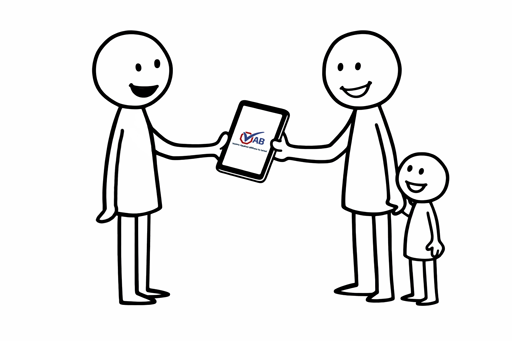
Quick, Low-Pressure Opener
Hi there — would you be willing to sign a quick petition today?
If they say yes or seem curious, continue:
It’s from Voters Against Billions to Israel. We’re asking for accountability in how U.S. tax dollars are spent.
Slightly More Context (If Needed)
We’re collecting signatures from constituents to show support for ending billions in U.S. funding to Israel. It only takes a moment.
If They Ask “What Is This?”
It’s a pledge calling on elected officials to be accountable for U.S. tax spending — specifically the billions sent to Israel each year.
If They Hesitate
No problem at all — feel free to take a flyer if you’d like to read more.
Closing (Always)
Thank you for your time — I appreciate it.
A Few Notes on Using the Script
- Speak naturally — you’re not selling anything
- Keep it brief; let people ask for more if they want it
- Avoid launching into explanations unless invited
- A calm, respectful tone matters more than perfect wording
What Not to Say
Even with good intentions, certain approaches can shut down conversations before they start. Keep these guidelines in mind:
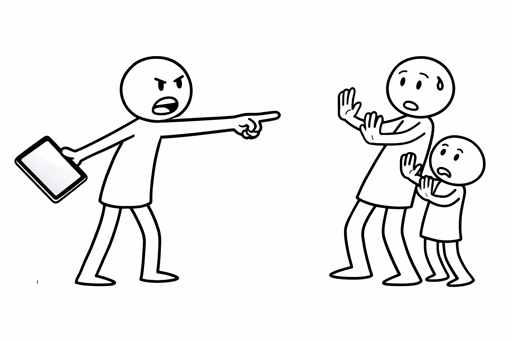
Don’t Lead With Accusations
Avoid statements like:
Your tax dollars are funding genocide.
True or not, leading with charged language often makes people defensive and ends the interaction before it begins.
Instead: Open with an invitation or a neutral description of the campaign.
Don’t Debate or Argue
If someone wants to challenge you or debate policy:
- Don’t try to “win” the conversation
- Don’t raise your voice or match their tone
Instead: A simple response like:
I understand — thanks for sharing your thoughts.
Then disengage politely.
Don’t Overwhelm People With Details
Avoid long explanations, statistics, or history lessons.
Instead: Keep it short. If someone wants more information, point them to a flyer or the website.
Don’t Pressure Anyone
Avoid:
- Standing too close
- Repeating the ask after a clear “no”
- Making people feel rushed or guilty
Instead: Thank them and move on.
Don’t Speak for the Signer
Avoid phrases like:
You probably agree that…
Instead: Let people decide for themselves.
Don’t Forget You’re Representing Others
Even if you’re frustrated or tired:
- Don’t use sarcasm
- Don’t insult politicians, groups, or individuals
- Don’t vent
Your tone reflects on the entire campaign.
Remember
Canvassing is about inviting participation, not forcing agreement.
Respectful, low-pressure interactions lead to more signatures — and a stronger movement.
Follow these guidelines and you’ll be well prepared to turn brief conversations into meaningful participation.
Effective canvassing isn’t about persuasion — it’s about creating clear, respectful opportunities that help like-minded people take meaningful action. When interactions are calm, efficient, and human, more people participate, and the campaign gains credibility and momentum.
Every signature represents a real person choosing to be counted. Every positive interaction strengthens trust in the campaign and in the people behind it.
By showing up in public spaces and engaging directly with your community, you play a direct role in turning shared concern into visible, collective pressure for accountability.
Thank you for being part of that effort. Change doesn’t happen on its own — it happens because people like you step forward and make it happen.